Technology is often adopted in stages with little apparent friction. A routine task is automated, data classification is delegated and then proposed solutions are outsourced. When an organisation finally examines its operations, it may discover that an entire layer of judgement has left without a formal agreement authorising that transfer.
Delegation by accumulation also affects culture, audiovisual production and public narratives. Generative tools can make some tasks cheaper and increase production volume, although costs, effects and quality vary. Governance should examine changes to creative work, authorship and distribution conditions.
The industry faces an institutional design question: if machines can imitate form, who decides which choices should remain under conscious human authority?
Culture as a boundary for retained judgement
When an industry or society declines to set limits, it allows suppliers’ offerings or short-term profitability to determine the boundary by default.
Cultural creation provides a concrete setting for examining which decisions and commitments should be reserved. Works may combine technology, material production and human choices; their value does not depend on rejecting every automation or demonstrate the universal superiority of one production method:
1. Embodiment and responsibility in visual storytelling
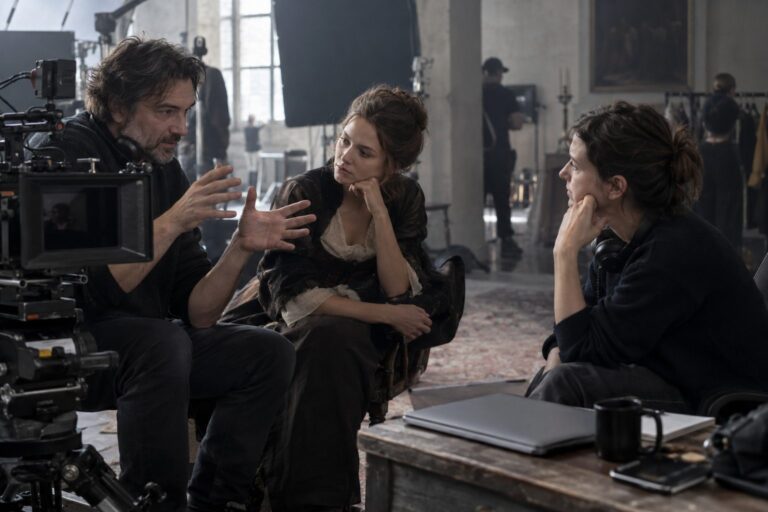
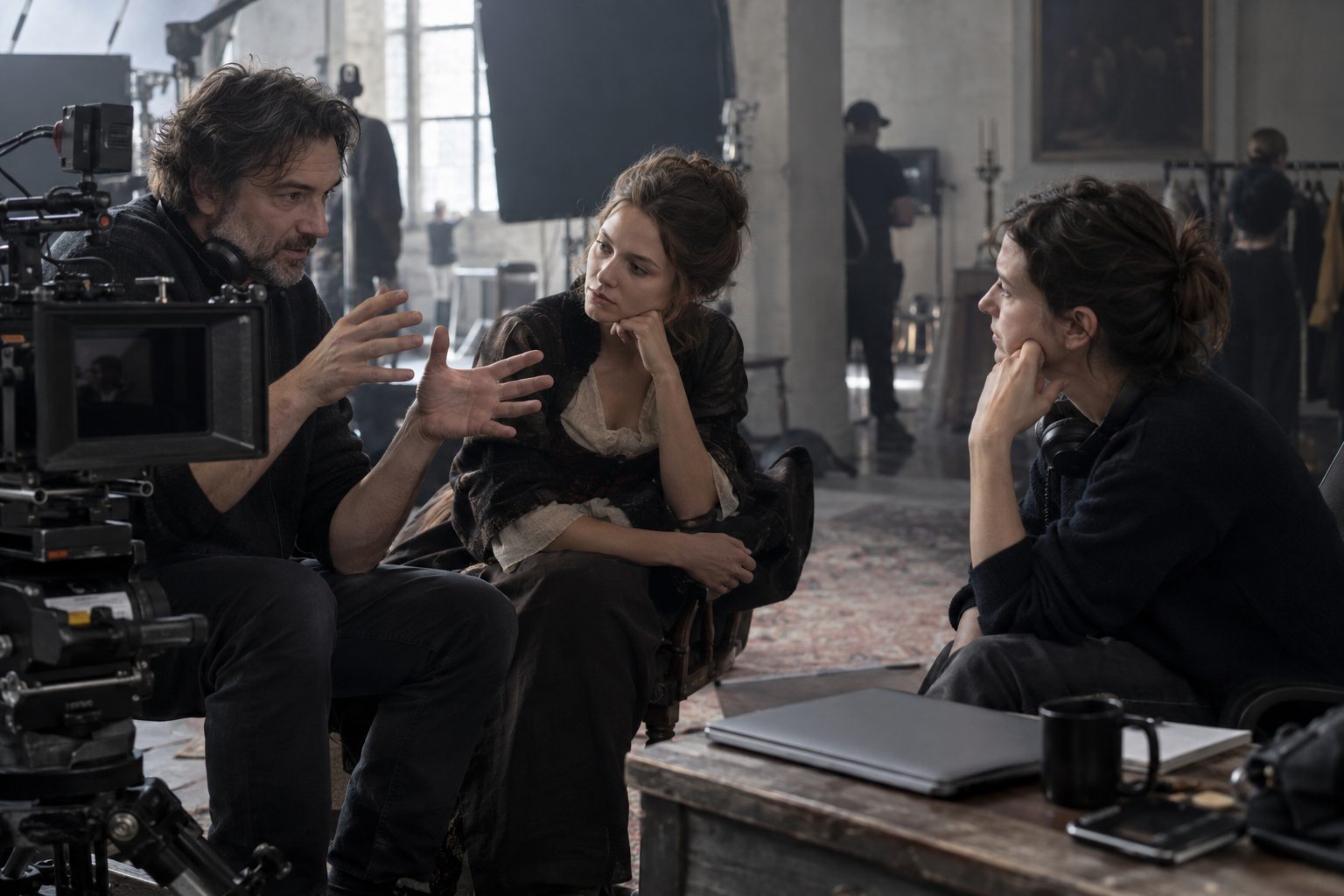
Cinema makes human choices about staging, performance and conflict visible. The work of J.A. Bayona, Rodrigo Sorogoyen or Pedro Almodóvar serves here as a cultural reference, without attributing a general ban on digital tools to them or assuming dramatic tension requires exposing actors to physical risk. The institutional question is who decides, receives credit and answers for the work, including when effects or technical assistance are used.
2. Innovation through a deliberate format
Gallery Sessions, originating in Barcelona’s Acid House environment, places musical performance in a street-level showcase and combines performance with audiovisual production. Its staging includes lighting and technical resources: it is not presented as pure acoustics or the absence of digital mediation. The editorial application is that a format constraint can give a project identity without rejecting technology.
3. Practice, material and cultural memory
Flamenco and visual arts show the value of practice, material and cultural memory. Generative systems do not merely average the past literally and can produce novel combinations. The proposed boundary concerns authorship, choice and responsibility, rather than proving that every assisted creation is a redundant echo.
The duty to decide in time
Who sets limits, and when, gives practical meaning to debates about technical governance, system audit and organisational resilience.
Intervening before deployment can reduce costs and dependence. Later regulation and correction can also be useful, so boundaries require monitoring throughout the lifecycle as well as preventive decisions.
Leo XIV’s encyclical Magnifica Humanitas, dated 15 May 2026, addresses safeguarding the human person in the time of artificial intelligence. It is a doctrinal reference from a religious institution—not a secular one—relating technology to dignity and human ends. Its application to cultural authorship and organisational governance in this article is editorial.
The responsibility of governing bodies
A board, foundation’s trustees or executive committee cannot fulfil its governance role merely by approving investment in generative tools. It should define which capabilities, decisions and processes the organisation retains and under which conditions assistance is used.
Setting limits requires leadership and review capacity. Organisations that examine what they delegate, how authorship is credited and who answers for decisions can retain creative autonomy while using new tools. Their authority rests on justified choices and sustained commitments, rather than treating every future technological possibility as settled.